
Blog
Race Course & RS Puram Heritage Homes: Renovate Without Killing Character (Smart Retrofits)

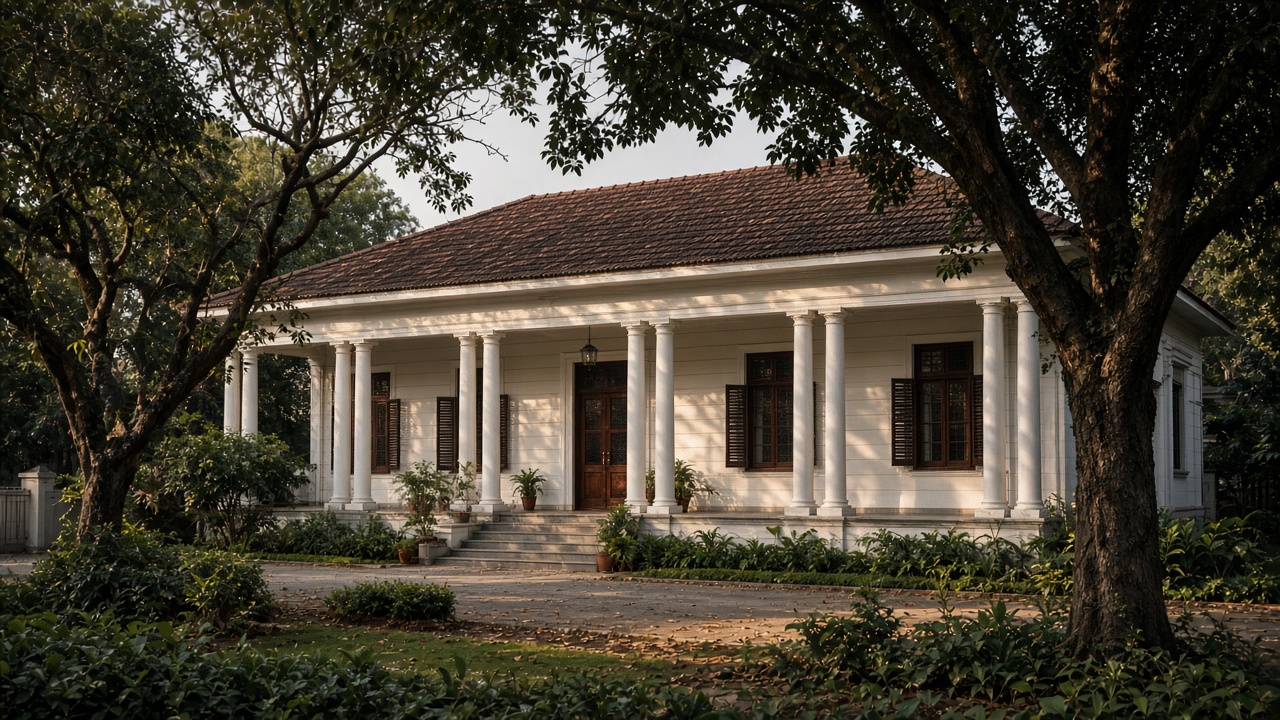
Race Course and RS Puram homes carry memory in their bones: high ceilings, deep verandahs, old timber doors, courtyard light, plaster details that newer gated layouts rarely attempt. A blunt “smart home renovation” can erase that character in a weekend—surface trunking across lime-washed walls, chrome gadgets on rosewood frames, CCTV that turns a graceful porch into a checkpoint.
If you are planning home renovation in Race Course, Coimbatore (or a thoughtful RS Puram refresh), the brief is dual: modern comfort and security without killing character. This is a guide to heritage-sensitive home automation—discreet retrofits, sequenced interiors, and heat/security upgrades that respect what made the house worth keeping.
No invented heritage awards, no fake before/after percentages. Just retrofit discipline.
What “heritage” means here (practical, not purist)
Few Coimbatore homes are museum-listed. “Heritage” in daily speech often means:
- Pre-2000s spatially generous houses
- Older joinery and railing details worth retaining
- Street-facing elevations with neighbourhood character
- Mixed fabrics: original rooms + later additions
The goal is continuity: keep the soul, upgrade the nervous system.
Principle 1 — Survey the house like an archaeologist (lightly)
Before vendors cut:
- Map load-bearing walls vs partitions
- Photograph original doors, cornices, flooring transitions
- Test existing electrical capacity and earthing honesty
- Note damp lines—RS Puram ground floors and older Race Course compounds often hide moisture stories
- List “untouchables”: the door you love, the verandah arch, the patterned tiles
Smart retrofit scope should orbit that list, not overwrite it.
Principle 2 — Discreet technology, hospitality feel
Borrow the
Before vendors cut:
- Map load-bearing walls vs partitions
- Photograph original doors, cornices, flooring transitions
- Test existing electrical capacity and earthing honesty
- Note damp lines—RS Puram ground floors and older Race Course compounds often hide moisture stories
- List “untouchables”: the door you love, the verandah arch, the patterned tiles
Smart retrofit scope should orbit that list, not overwrite it.
Principle 2 — Discreet technology, hospitality feel
Borrow the villa checklist mindset: technology should feel like a well-run boutique stay.
- Plate-matched or subdued smart switches—avoid carnival RGB on period corridors
- Cameras with careful sightlines; no “surveillance showroom” porch
- Motorised curtains recessed into pelmets that match existing wood language
- Networking gear in a ventilated utility cupboard—not a blinking rack in the living hall
- Scenes named in family language (Verandah evening, Pooja calm, Travel) not engineer codes
Principle 3 — Retrofit pathways beat brute force chasing
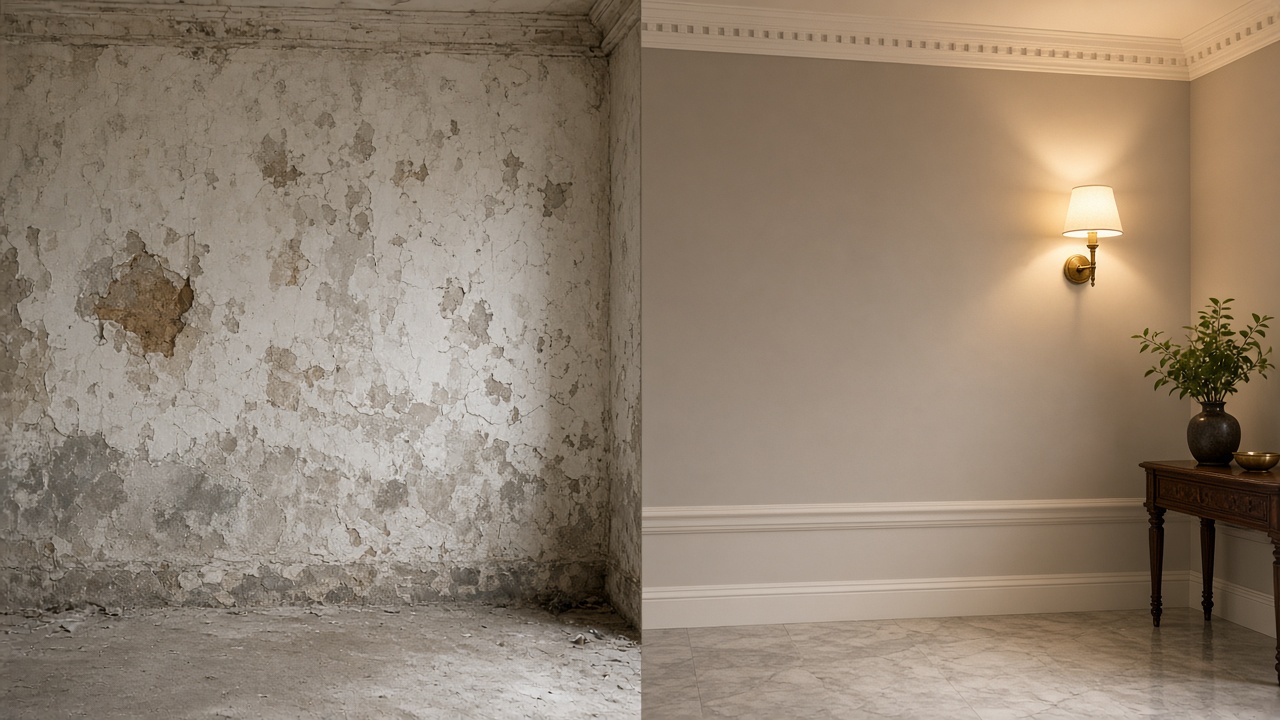
Full rewiring is sometimes necessary; it is not always mandatory on Day-1.
Lower-invasion options
- Use existing conduit where sound
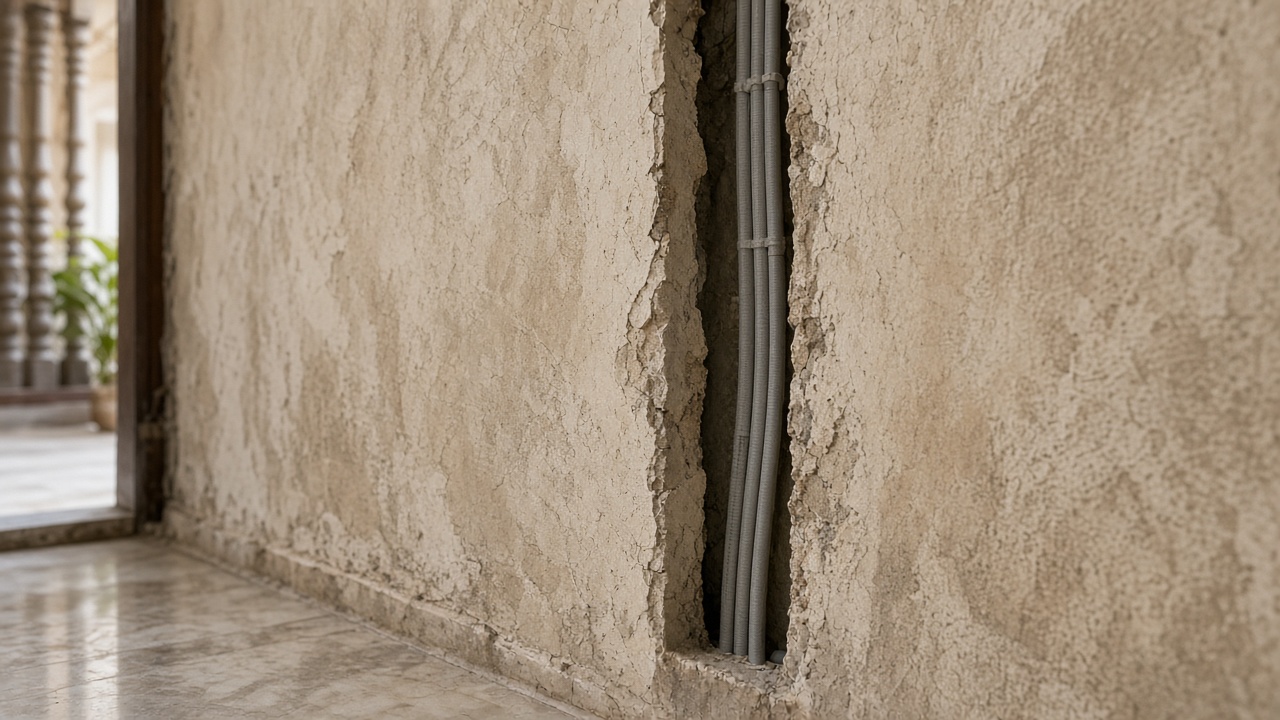
- Surface raceways only where architecture already has service shoulders—and finish them to match
- Wireless lighting where walls are fragile—but keep wired for CCTV NVR, primary study, and AP backhaul when possible
- Floor-channel or skirting pathways in renovations where walls must stay pristine
Higher-invasion (plan properly)
- Opening select ceiling voids for PoE runs during false-ceiling patches
- Targeted chase + replaster on secondary walls
- New ventilated cabinet carpentry as a designed piece, not a plastic afterthought
Coordinate with interiors so uPVC or carpentry refresh and low-voltage land together—see uPVC vs carpentry with smart switch integration.
Room-by-room retrofit map
Verandah and entrance (character hotspot)
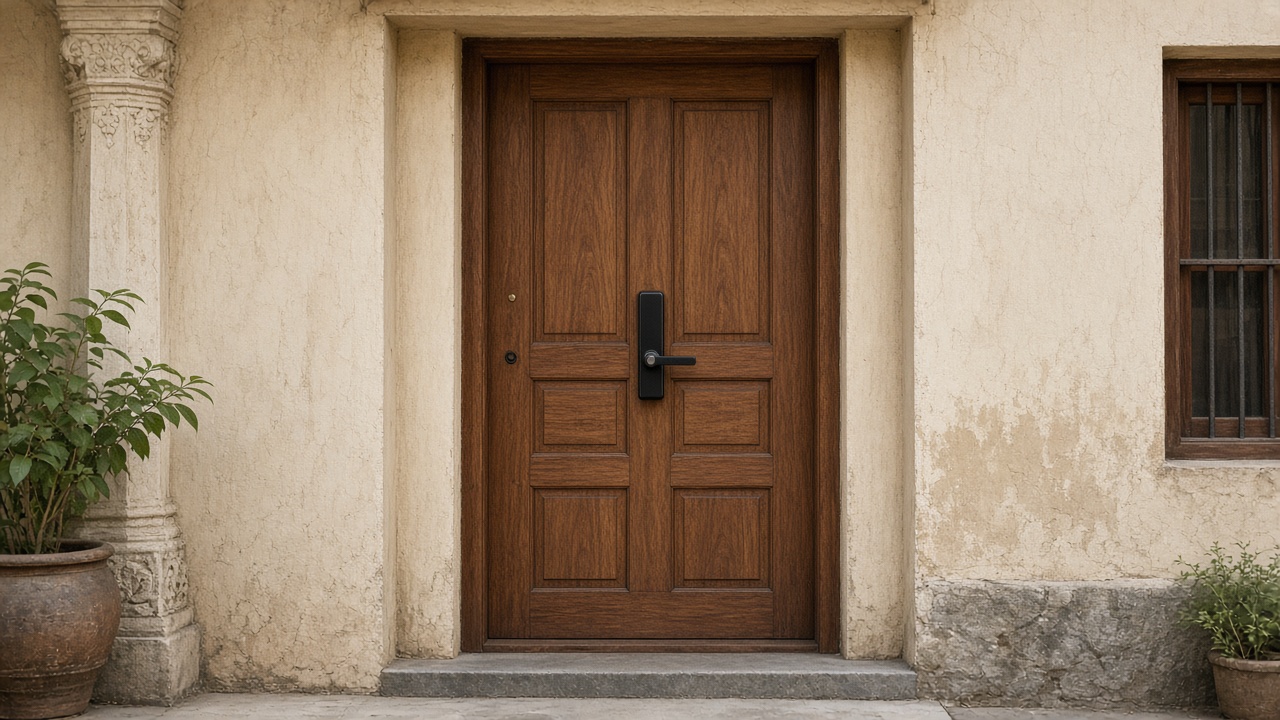
- Preserve door proportions; choose smart locks that fit thickness and style—or keep a beautiful mechanical lock and add a discreet video door phone beside it
- Soft porch lighting scenes for late returns without floodlighting the elevation
- One well-aimed camera for approach context—not six visible domes
Living / formal lounge
- Hide speakers and IR climate hubs
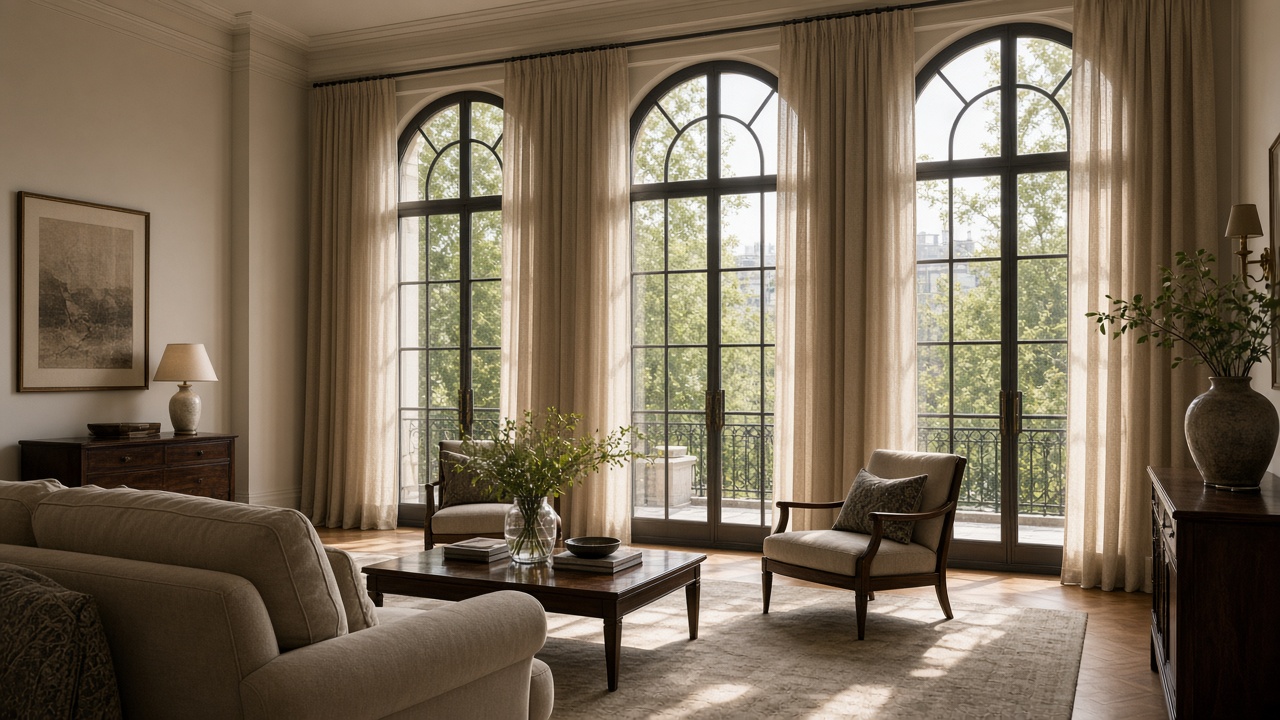
- Curtain automation on west glare—huge comfort win in Coimbatore
- Avoid TV walls that erase a fireplace niche or original moulding unless that is a conscious trade
Bedrooms in older wings
- Prioritise blackout + AC control for day sleepers and elders
- Keep cameras out
- Check window hardware before motorising—repair first if frames are tired
Kitchen and wet areas
- Moisture-first interiors (often uPVC-led modular) while living rooms keep timber warmth
- Plan chimney, RO and smart points before shutters
Terrace and sit-outs
- Heat-smart roofing and ventilators may unlock outdoor rooms you abandoned in April—pair with roofing services thinking, not only indoor AC upsizing
- Pre-plan lights and camera mounts to avoid leaky afterthoughts
Security without fortress aesthetics
Heritage streets often have informal neighbour eyes and compound walls of varying quality. Upgrade intelligently:
- Layer entrance verification + selective perimeter views
- Gate automation if driveway geometry allows safe sensor placement
- Staff access rules that match how race-course households actually run
- UPS for NVR and uplink—old localities still see outages
Apartment-style Wi-Fi cameras taped to columns rarely suit a refined elevation. Do it properly during renovation dust, not after polish.
Interiors: renovate in zones, not in revenge
A common mistake is gutting every room to the same modern grey. Character homes respond better to zoned renovation:
| Zone | Approach |
|---|---|
| Street façade / verandah | Conserve first; light repairs; discreet devices |
| Formal living | Climate + curtains + hidden network; keep joinery soul |
| Private bedrooms | Comfort modernisation ok; quieter finishes |
| Kitchen / baths | Most transformative; prioritise moisture performance |
| Staff / utility | Make the technical heart beautiful enough to maintain |
This sequencing also spreads budget and decision fatigue—important on multi-month Race Course projects.
Smart retrofit phases that respect living-in-place
Many RS Puram families renovate while partially occupying the home.
Phase A — Safety & backbone: DB review, earthing, networking cabinet, entrance video, priority CCTV.
Phase B — Comfort: curtains, AC control, bedroom lighting scenes.
Phase C — Expression: decorative panels, feature lighting, audio.
Phase D — Envelope: terrace roofing, waterproofing, outdoor automation.
Phasing prevents the “everything open at once” despair that kills heritage details under dust sheets for too long.
Working with multiple eras of addition
Race Course compounds often include a 1970s core, 1990s rooms, and a 2010s car porch. Unified smart control can still feel one home if:
- Scenes are designed across wings
- Wi-Fi is planned for thick intermediate walls
- Visual device language stays consistent
Do not force one ancient DB to feed a modern automation load without an electrical review—character does not require unsafe boards.
Budget storytelling without fake savings claims
Heritage retrofits are not won by claiming magical percentage discounts. They are won by deciding what not to demolish.
Spend where occupants feel daily relief: kitchen wet performance, bedroom heat/glare, entrance security, and a network that actually works in thick-walled wings. Defer decorative gadget layers until the house is dry, powered and lockable with dignity.
When comparing bids, demand a conservation note: which cornices, doors and floors remain. A cheaper bid that replaces character wholesale is a different project—not a bargain version of yours.
Where turnkey coordination earns its keep
Heritage retrofits fail at handoffs: the painter finishes, then the CCTV vendor asks to reopen a cornice chase. A single accountable partner for renovation coordination, interiors, automation and IT backbone reduces that violence to the building.
Infraura works across residential renovation and construction, turnkey uPVC interiors, smart home automation, roofing, and CCTV/networking—useful when the envelope, wet areas and discreet tech must move together. Start from the hub narrative: turnkey smart home building in Coimbatore (turnkey-smart-home-builder-coimbatore), then use the Race Course villa checklist for discreet security and heat control details.
Soft CTA
If you are protecting a Race Course or RS Puram home’s character while adding comfort and security, bring photos of elevations, a note on must-keep elements, and your renovation stage (occupied / empty / wing-wise).
Talk to Infraura: +91 96771 71707 · infraura.com
Infraura – Smart Homes and Interiors, 1499 Trichy Rd, Opposite Francis Convent, Highways Colony, Coimbatore 641018.
We will propose retrofit options that favour concealment and craft over gadget theatre.
FAQ
Can old Race Course homes support modern home automation?
Yes, with discovery: electrical capacity, wall conditions, and which surfaces are sacrosanct. Mix wired backbone for critical systems with carefully chosen wireless where chasing would destroy detail.
Will smart retrofits reduce my home’s character?
Only if devices are applied loudly. Discreet plates, hidden cabinets, pelmet motors and restrained camera placement preserve elevations and interiors.
Should I renovate kitchen and living in the same phase?
Not always. Kitchens/baths often need deeper wet-work; living spaces may need lighter comfort upgrades. Sequencing reduces dust risk to conserved finishes.
Is RS Puram different from Race Course for retrofits?
Street patterns, plot sizes and association/neighbour norms differ, but the discreet-first principle is the same. RS Puram apartments and older independent houses may face tighter shaft and parking constraints—survey beats assumptions.
How do I start with Infraura on a heritage-sensitive renovation?
Share photos, approximate age/additions, and priorities (security, heat, kitchen, elders). Call +91 96771 71707 or visit infraura.com for a site discussion.