
Blog
Stop Hiring Three Vendors: Turnkey Construction + Interiors + Automation in Coimbatore

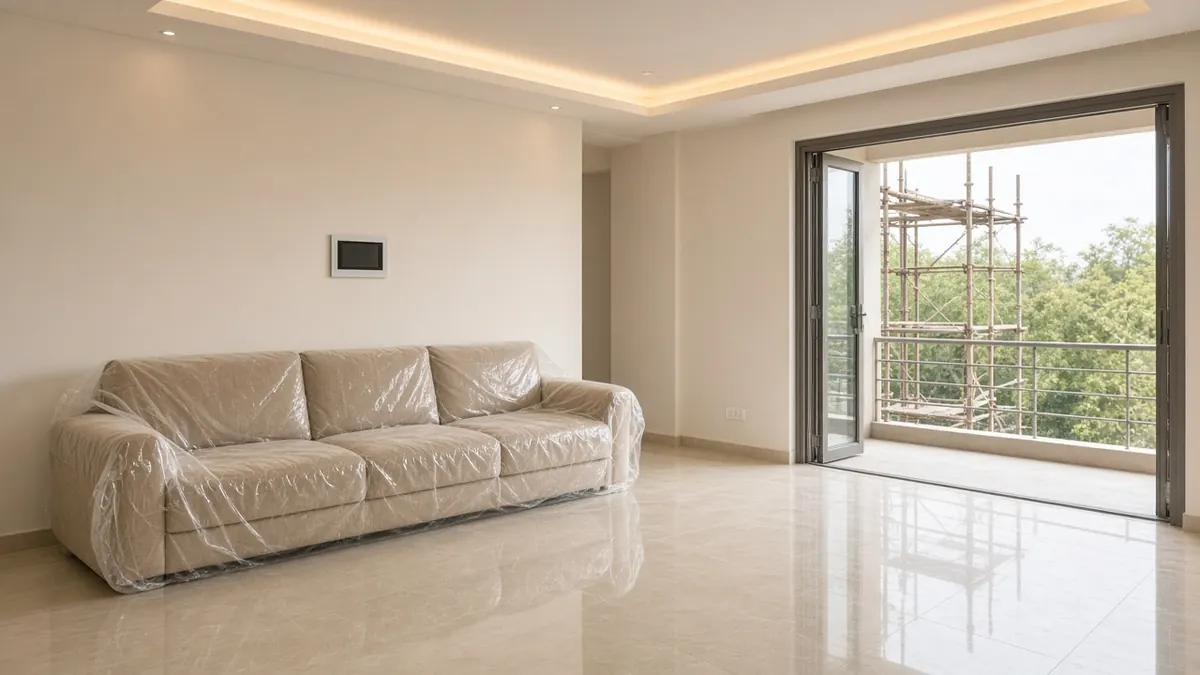
In Coimbatore, a familiar pattern plays out on new homes from Saravanampatti to Race Course: one team builds the structure, another does interiors, a third arrives for CCTV and “smart switches,” and a fourth handles roofing or terrace shade. Each vendor is competent in isolation. Together, they leave gaps—chases closed too early, false ceilings without camera paths, wardrobes blocking service access, and an automation app that never quite matches how the house was wired.
If you want a home that is built, finished and quietly intelligent, the better question is not “Who is cheapest for each trade?” It is “Who owns the interfaces?”
This is the case for choosing a turnkey smart home builder in Coimbatore—one accountable partner for end-to-end home construction, interiors and automation—without the fluff of fake timelines or invented savings percentages. Just the coordination reality.
What “turnkey” should mean (and what it should not)

Turnkey, done properly, means design-to-handover ownership: consultation, residential build or major renovation coordination, interiors (including durable uPVC options where they fit), smart living systems, and the IT backbone for networking and surveillance—plus roofing where the envelope needs it.
It does not mean every brand of gadget forced into your living room. It means:
- Shared drawings across civil, electrical, interiors and low-voltage
- One sequence plan (when conduits go in, when ceilings close, when devices commission)
- One point of contact when trades conflict
- A handover where Wi-Fi, CCTV, lighting scenes and joinery are tested as a system—not as separate invoices
Infraura’s model spans premium residential and commercial construction, turnkey interiors (uPVC), smart home automation, industrial and residential roofing (GI, UPVC, aluminium and related systems), and IT infrastructure / surveillance. That spread matters because smart homes fail at the joints between those scopes.
The three-vendor tax: where Coimbatore projects lose time and finish quality
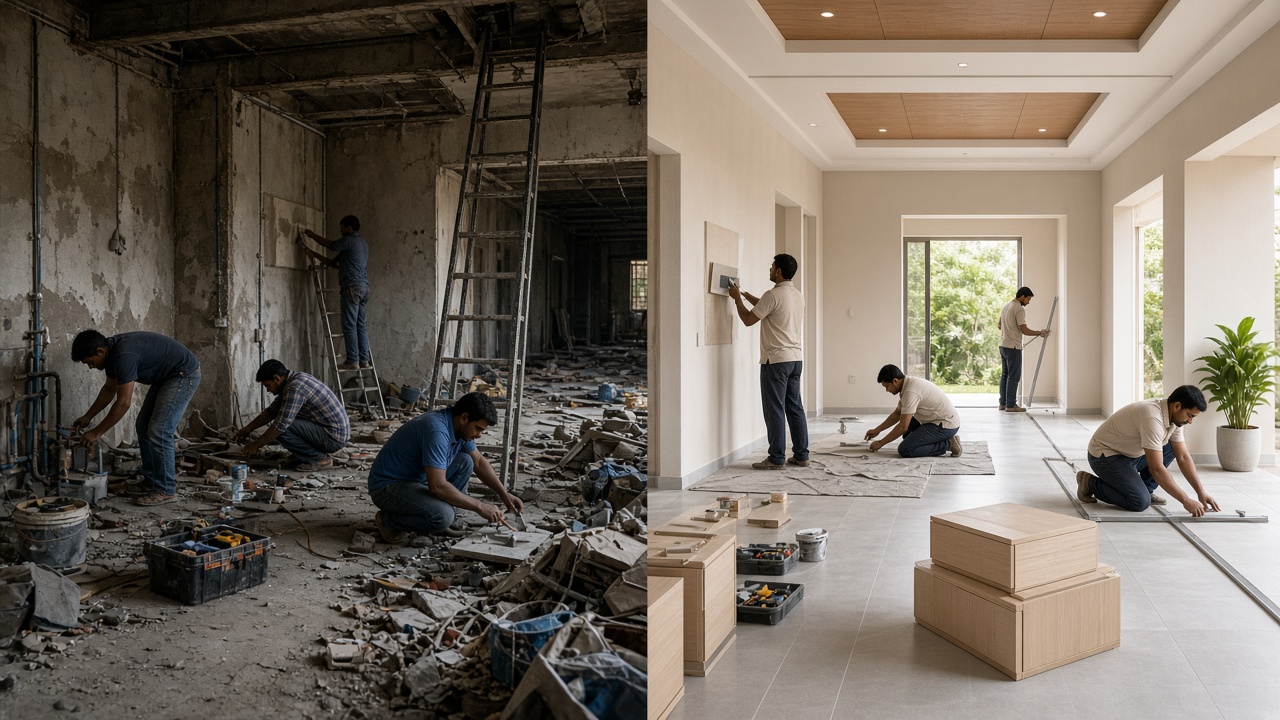
1) Pre-wiring vs plaster vs interiors
Saravanampatti IT professionals often discover automation late—after first-fix electrical. Race Course villa owners often prioritise joinery aesthetics first and treat cabling as invisible until it is too late to hide.
Result: surface trunking in a premium corridor, or wireless-only compromises on cameras and access control.
A single team plans smart home wiring before plaster, then protects those paths through interior fit-out. (See also our deeper pre-wiring guide for Saravanampatti builds.)
2) False ceilings vs CCTV and networking
Interiors teams close gypsum and cove lighting. Security vendors arrive and ask for camera drops that no longer exist. Networking gear ends up in an unventilated loft above a wardrobe.
Fit-out and IT infrastructure should be one conversation. (See our Coimbatore guide on CCTV and home networking during interior fit-out.)
3) Heat, roofing and “smart climate”
Coimbatore heat is not solved by an app alone. Terrace roofing, insulation choices, curtain automation on west façades, and AC control must be designed together. A roofing contractor who never speaks to the automation integrator will not reserve clean penetrations or think about sensor placement.
4) uPVC interiors vs service access
uPVC wardrobes, panels and storage are low-maintenance and well suited to Coimbatore’s conditions when specified correctly. They also permanently cover wall zones. If router cabinets, DB access, or module service flaps were not coordinated, you will cut finished panels later—or live with bad equipment placement.
Who this approach serves in Coimbatore
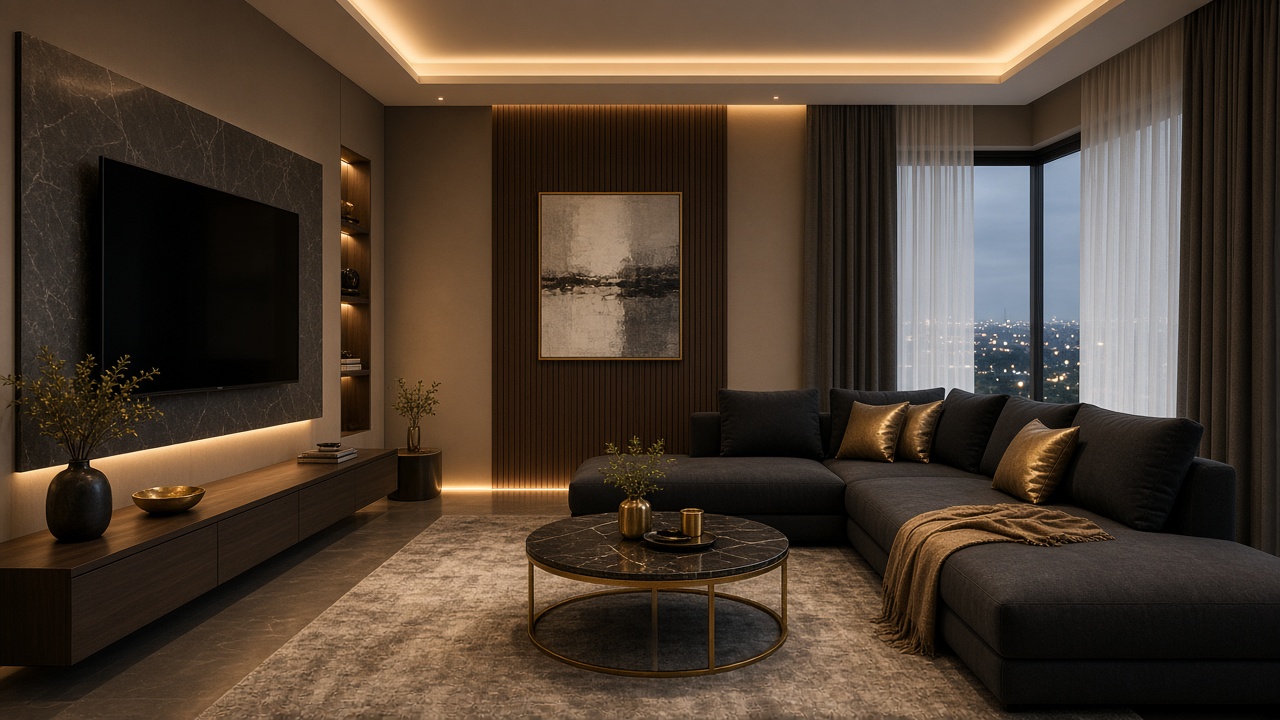
Saravanampatti IT corridor professionals
You want reliable WFH networking, phased smart upgrades, strong entrance security, and a build that does not need three weekends of vendor coordination. You may start with a lean device set and grow—if conduits and the rack were planned.
Race Course and upscale villa homeowners
You want discreet automation: scenes that feel hospitality-grade, cameras that do not dominate façades, curtain and climate comfort for large glazed openings, and interiors that look intentional—not “tech added on.” A villa checklist mindset helps (security, heat control, quiet motorisation).
Families comparing RS Puram renovations vs new plots near Peelamedu / Trichy Road
Renovation turnkey still needs the same interface ownership—especially when old wiring meets new smart loads and new false ceilings.
What a clean end-to-end process looks like
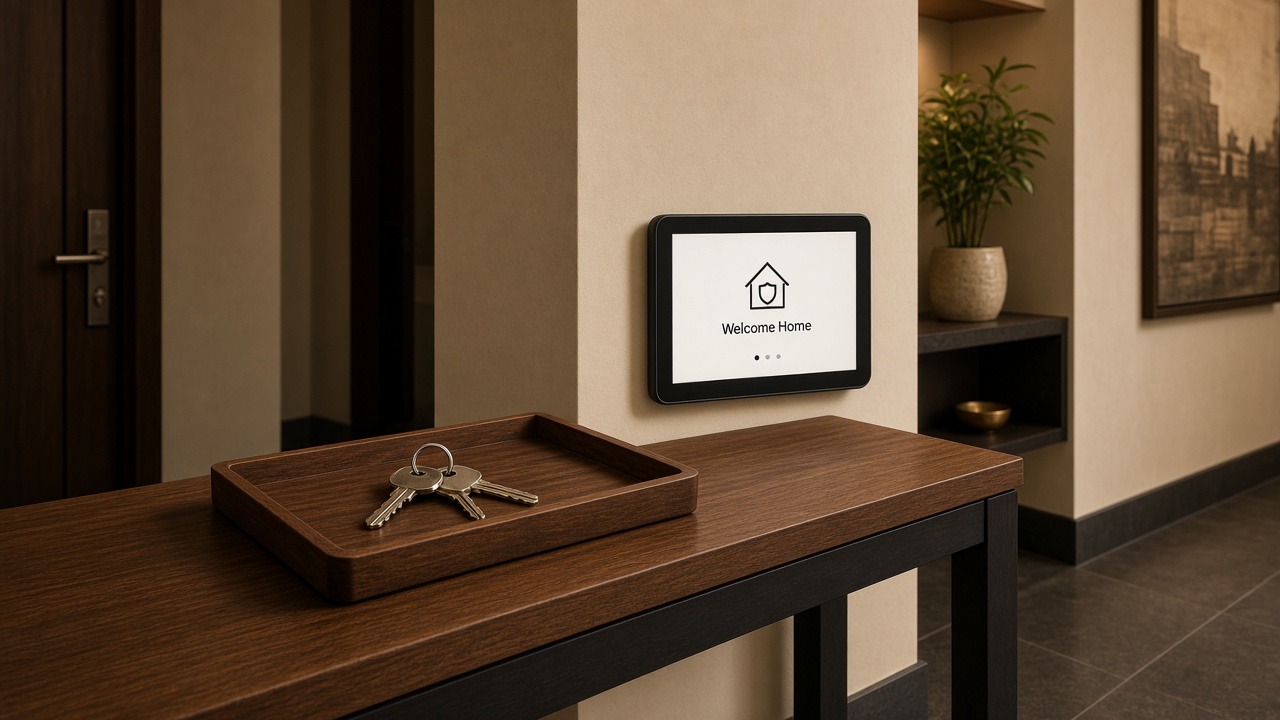
Stage A — Consultation and scope alignment
Clarify lifestyle, not gadget catalogues: work-from-home rooms, travel patterns, privacy rules (no cameras in private rooms), hospitality needs for guests, and which outdoor areas matter (sit-out, terrace, driveway).
Include construction realities: plot constraints, approvals support as applicable, and whether the project is new build, renovation, or interiors-led smart upgrade.
Stage B — Design support and coordinated drawings
Layouts, 3D visualisation where useful, material direction, electrical + low-voltage combined thinking, and interior zoning. This is where Race Course–level discretion is designed in—device locations that do not spoil elevations.
Stage C — Build / renovation execution
Structural and finishing quality remain non-negotiable. Smart intent should never excuse weak civil work. Turnkey simply means the finishing trades inherit a house that can accept technology cleanly.
Stage D — Interiors and envelope
Modular kitchens, wardrobes, partitions, decorative panels, and roofing or terrace treatments as needed. Sequence so that CCTV, speakers, curtain motors and access control are not afterthoughts.
Stage E — Automation and IT commissioning
Lighting, HVAC control approach, curtains/gates, CCTV, networking, and user training. Support expectations should be clear—smart homes need maintenance pathways, not only a demo day.
Decision framework: single partner vs specialist stack
Choose a unified turnkey partner when:
- You are building or heavily renovating
- You care about concealed services and premium finish
- Multiple floors or large glazing make wireless-only risky
- You want one schedule and one escalation path
A specialist stack can work when:
- The house is already finished and you only need limited wireless upgrades
- You have a strong project manager who forces drawing discipline across vendors
- Scope is narrow (only CCTV, or only modular kitchen)
Most families underestimate how much “project manager energy” multi-vendor homes consume. If both partners work full-time in tech or business, that hidden labour is real.
How to brief a turnkey smart home builder (practical prompts)
- 1. Must-work on day one: internet resilience (UPS for core network), entrance video/CCTV, basic lighting control, secure main door/gate approach.
- 2. Phase two: whole-home scenes, audio, advanced climate automation, additional cameras.
- 3. Never do: cameras in bedrooms/bathrooms; over-automating rarely used rooms.
- 4. Finish standards: where wall panels, pelmets and ceiling lines must hide services.
- 5. Service philosophy: local control vs cloud features—discuss trade-offs honestly without brand wars.
Ask to see how they coordinate construction + interiors + automation on a single programme, not three brochures stapled together.
Natural next reads (related topics on this hub)
- Pre-wiring before plaster — especially relevant if your Saravanampatti slab cycle is approaching
- Race Course villa smart home checklist — discreet automation, security and heat control for upscale homes
- CCTV and networking during fit-out — how to avoid ceiling regrets
These are the three places multi-vendor projects most often break.
Soft proof points without fake case studies
You will not find invented review counts or named project trophies here. Judge a Coimbatore partner on:
- Clarity of drawings and sequence
- Willingness to leave spare conduits
- Honest phasing (not forcing a maximal gadget list)
- Ability to talk civil, interiors and IT in one site meeting
- After-handover support posture
Infraura positions itself around that blend: construction services, smart living, uPVC interiors, roofing, and surveillance/networking—from its Coimbatore base on Trichy Road.
FAQ
Is turnkey always more expensive than hiring separate vendors?
Not necessarily. Separate vendors can look cheaper line by line and cost more in rework, delays and finish compromises. Compare apples-to-apples: coordination labour, chasing walls, and the value of a single handover test. Ask for scoped inclusions rather than a vague “turnkey” label.
Can automation be added after interiors if we skip it now?
Some wireless lighting and plugs can. Concealed LAN, neat CCTV, curtain motors and clean gate automation are far easier during construction or fit-out. If you might automate within a few years, pre-wire.
Does turnkey include roofing and outdoor works?
It should when outdoor comfort and envelope performance matter. Terrace roofing, shade and heat control affect how hard ACs and automation work. Confirm whether roofing is in scope for your plot.
We are renovating in RS Puram / Race Course—does turnkey still apply?
Yes, with more discovery: existing wiring, wall conditions, and heritage of previous interiors. Unified ownership still reduces the “who opens this ceiling?” problem.
How do we start with Infraura?
Share drawings or a site-stage update (foundation, first-fix, interiors-only, etc.). Call +91 96771 71707 or visit infraura.com. Visit context: Infraura – Smart Homes and Interiors, 1499 Trichy Rd, Opposite Francis Convent, Highways Colony, Coimbatore 641018.
4 thoughts on “Stop Hiring Three Vendors: Turnkey Construction + Interiors + Automation in Coimbatore”