
Blog
uPVC Interiors vs Traditional Carpentry for Humid Coimbatore Homes (With Smart Switch Integration)

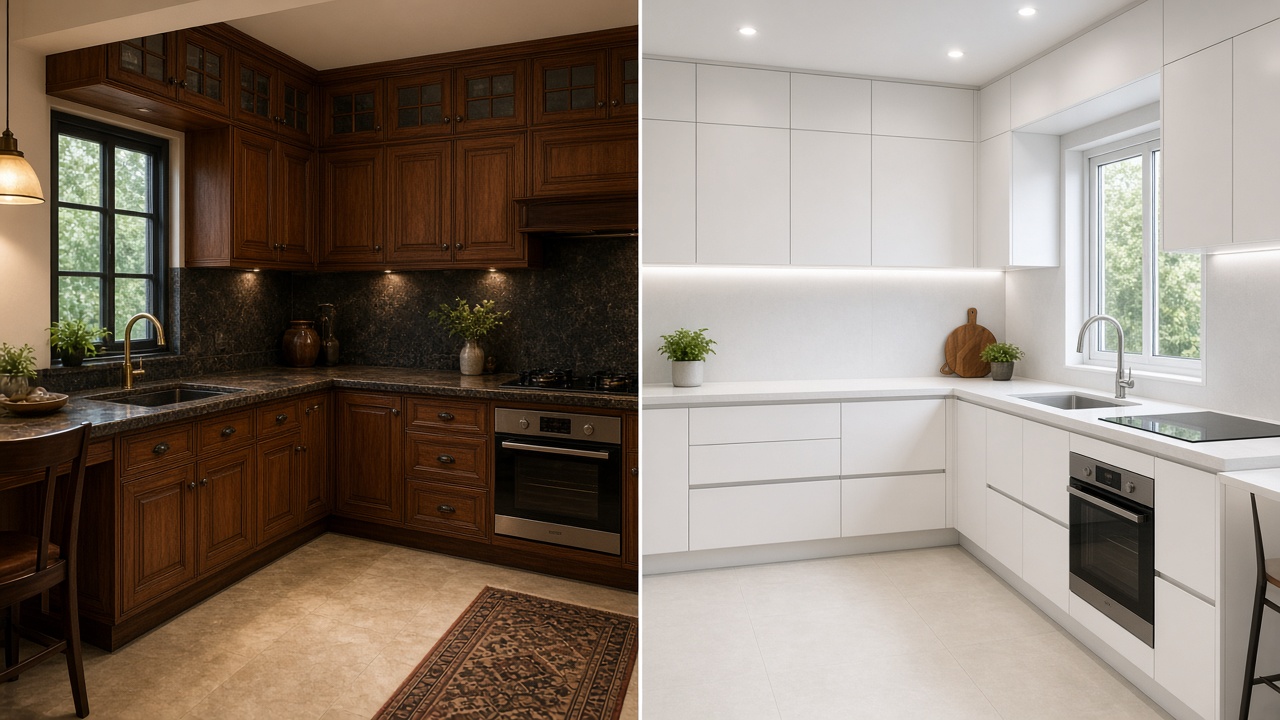
Coimbatore is not coastal Chennai—but kitchens still steam, southwest monsoon weeks still dampen utility walls, and termites still teach expensive lessons in older RS Puram and Race Course joinery. When families compare uPVC interiors in Coimbatore with traditional plywood/MDF carpentry, the debate is rarely only about looks. It is about humidity, maintenance, service access, and whether your smart switches end up trapped behind a beautiful panel you cannot open.
This guide compares modular uPVC approaches with conventional carpentry for kitchens, wardrobes and living storage—then shows how to integrate automation without fighting the interiors team.
The real Coimbatore brief: humidity + heat + busy households
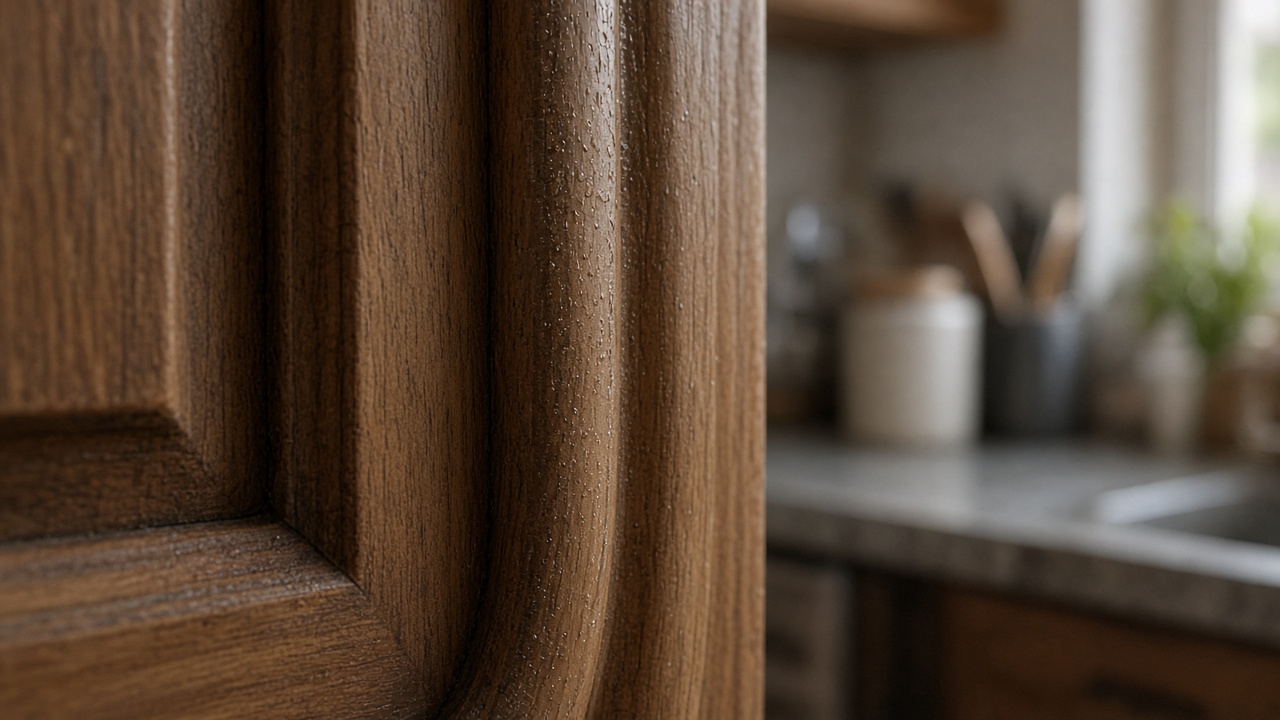
Even in relatively dry months, indoor moisture concentrates where it hurts joinery:
- Cooking steam on wall units
- RO reject and utility wet zones
- Bathrooms adjacent to wardrobe walls
- Ground-floor older homes with less under-floor air movement
Add summer AC condensate mismanagement and you get swollen shutters, peeling edges and hardware misalignment—issues that also make smart switch plates sit crooked and modules harder to service.
What uPVC interiors typically offer
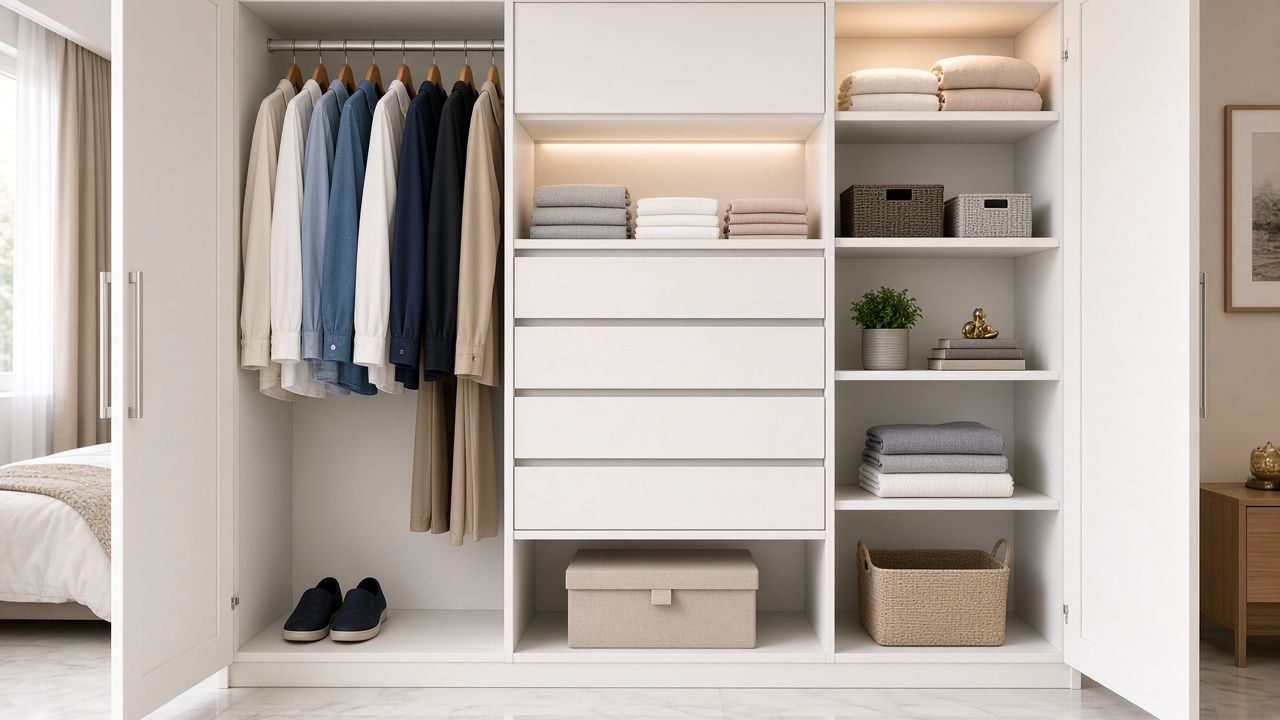
uPVC (unplasticised polyvinyl chloride) interior systems—used for modular kitchens, wardrobes, loft storage, partitions and decorative panels—are valued for:
- Moisture resistance relative to many wood-based carcasses in wet-prone zones
- Termite resistance advantages versus untreated timber/ply habits (still maintain clean site practice)
- Low maintenance wipe-down surfaces for busy IT-corridor kitchens
- Consistent modular sizing and factory-led finishes in many systems
- Colour and texture options that read contemporary without constant polish rituals
Infraura’s interior work includes modular kitchens, wardrobes, partitions, TV units, loft storage and wall panel systems in uPVC-led designs—scoped to the room’s wet/dry profile rather than forcing one material everywhere.
What traditional carpentry still does well
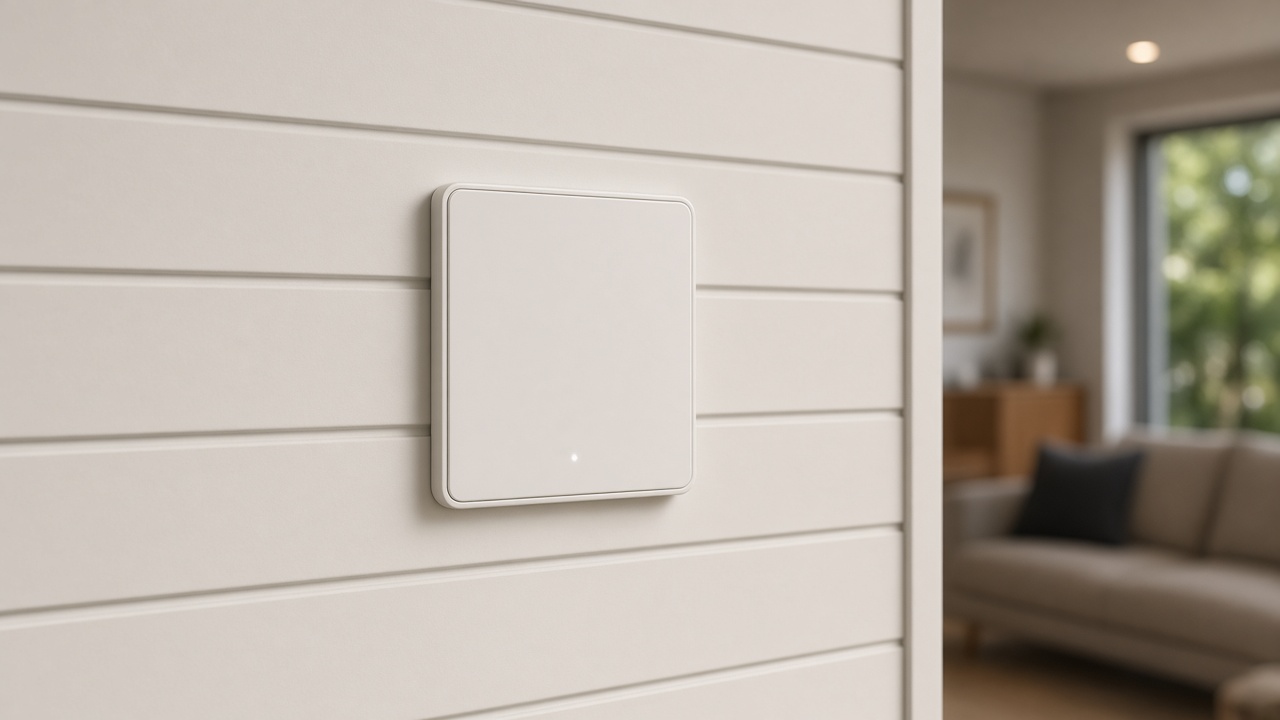
Plywood / blockboard / MDF with laminate, acrylic, veneer or PU finish remains strong when:
- You want highly custom curves, heritage profiles, or carpenter-led art pieces
- Veneer and solid-wood accents are part of a Race Course aesthetic brief
- Local carpenter relationships and on-site improvisation are valued
- Budget engineering needs hybrid strategies (uPVC in wet zones, ply elsewhere)
Quality carpentry with correct BWP/BWR grades, edge banding discipline, and hardware can perform excellently. Poor carpentry—open edges near sinks, thin carcasses, no service flaps—fails regardless of marketing words like “modular.”
Head-to-head: decision factors
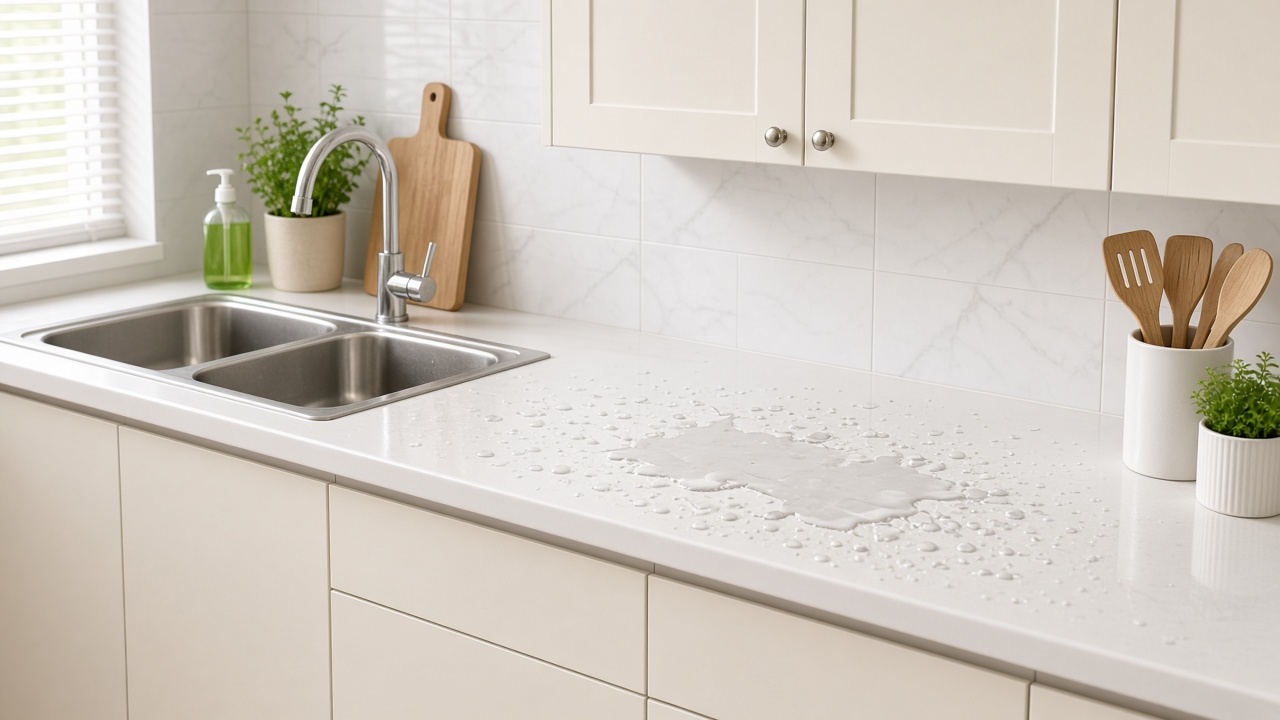
1) Humidity and wet-adjacent zones
Lean uPVC for modular kitchens, utility cabinets, and wardrobes on walls shared with toilets—especially in apartments where exhaust is imperfect.
Carpentry can work with marine-grade habits and immaculate edge sealing; demand that discipline in the BOQ, not only in conversation.
2) Maintenance lifestyle
Dual-income Saravanampatti homes often want wipe-clean shutters and fewer polish cycles. uPVC tends to win the “weekday reality” test. Heritage homes in RS Puram may still prefer timber warmth in living rooms—use material zoning.
3) Repair and modification
Both can be modified; methods differ. Plan service access for networking cabinets, DB, and smart modules before shutters close. Cutting finished panels later is painful in any material.
4) Aesthetics and acoustics
Timber veneers and fluted wood looks remain emotionally powerful. uPVC decorative panels and fluted options can achieve modern lines; match sheen to lighting design so rooms do not go overly glossy under cove LEDs.
5) Weight, walls and old structures
Older Race Course / RS Puram walls may have quirks. Both systems need proper anchoring. Heavy stone counters and tall units need civil sense regardless of shutter material.
Modular uPVC kitchen Coimbatore — practical layout notes
For a modular uPVC kitchen in Coimbatore:
- Separate wet wall (sink) detailing from tall pantry heat wall (oven/hob exhaust)
- Keep electrical points for chimney, RO, fridge and microwave coordinated with carcass layout
- Leave a planned niche or ventilated cupboard for router/UPS if the kitchen-adjacent utility is your only service room
- Avoid sealing the only access to plumbing cleanouts behind fixed dead panels
- Confirm soft-close hardware specs in writing
Smart angle: under-cabinet lighting on a smart switch/scene makes early cooking before night shifts gentler—and looks premium without cluttering the deck.
Smart switch integration (the part most BOQs forget)
Whether you choose uPVC or carpentry, automation fails at depth, neutrals and access.
Before carcasses are fixed
- Mark which circuits get smart modules vs conventional switches
- Confirm back-box depth—many smart modules need more depth than old shallow boxes
- Decide plate aesthetics (matching vs tech-look) with the interior designer present
- Route spare conduit to curtain pelmets and TV walls
- Reserve a ventilated lockable cabinet for network gear—not inside a sealed decorative bulkhead with zero airflow
In uPVC wall panel zones
- Build removable service flaps where modules or junctions sit
- Do not sandwich PoE switches in unventilated panel cavities—Coimbatore heat will cook them
- Align TV panel service doors with cable entry from the networking cabinet
In traditional carpentry TV units
- Same rules: airflow, labelled patch points, soft cable bends
- Leave slack loops; do not staple Cat6 tightly under plywood
Coordinate with the same mindset as CCTV-during-fit-out: interiors and low-voltage are one programme.
Hybrid material strategy (often the adult answer)
You do not have to pick a religion:
| Zone | Common sensible lean |
|---|---|
| Kitchen + utility | uPVC / high moisture-resistant systems |
| Master wardrobe on dry internal wall | Either—choose on aesthetic & budget |
| Living feature wall / heritage lounge | Carpentry / veneer accents possible |
| Bathroom vanity | Moisture-first materials always |
| Kids’ study storage | Durable wipe-clean shutters help |
Hybrid homes look intentional when finishes are colour-coordinated and hardware language is consistent.
Cost conversation without fake quotes
Material line items vary by brand, shutter type and hardware. Instead of chasing a viral “uPVC kitchen under X” number:
- Compare running feet and carcass specs
- Ask for 5-year maintenance assumptions
- Price smart switches as a separate column (devices + labour + possible DB tweaks)
- Remember rework cost if networking was ignored
For package-level planning around Saravanampatti 2BHK/3BHK scopes, see our transparent ranges article—illustrative market bands only, final quote after survey.
Race Course discretion vs IT-corridor speed
Race Course / villa clients often need quieter technology: plate-matched switches, hidden routers, curtain motors in pelmets, cameras that do not dominate façades. Material choice should support concealment—service flaps disguised as design features.
Saravanampatti IT clients often need speed to a reliable WFH and security baseline: clean kitchen, strong wardrobe storage, networking cabinet, entrance video. uPVC’s maintenance profile frequently matches that lifestyle; smart switches should prioritise porch, study and living first.
Turnkey sequencing: when interiors and automation share one owner
The expensive failure mode is familiar: carpenter closes the TV wall; automation vendor arrives; surface trunking appears across a fresh panel. A coordinated partner for interiors + automation + CCTV/networking reduces that interface tax—see the hub on turnkey construction, interiors and automation in Coimbatore (turnkey-smart-home-builder-coimbatore).
Infraura’s model spans those scopes plus roofing and construction, which matters when wet walls, terrace heat and indoor climate control interact.
Soft CTA
Bring kitchen elevations (or a rough hand sketch), photos of existing switchboards, and a note on which rooms must be smart on Day-1. We can help you choose uPVC, carpentry or hybrid—and place smart switches so future service does not mean cutting finished shutters.
Talk to Infraura: +91 96771 71707 · infraura.com
1499 Trichy Rd, Opposite Francis Convent, Highways Colony, Coimbatore 641018.
FAQ
Are uPVC interiors better than wood for Coimbatore humidity?
For many wet-adjacent kitchens and utilities, uPVC’s moisture and termite-resistant profile is a strong reason to prefer it. Dry living feature walls may still favour carpentry aesthetics. Zone the house rather than forcing one answer.
Can smart switches be installed with modular uPVC kitchens?
Yes—if back boxes, neutrals, module depth and service access are planned before panels close. Treat automation points on the interior drawing, not as a weekend add-on.
Will uPVC look “plastic” in a premium home?
Not when profiles, colours and hardware are specified carefully. Matte finishes, thoughtful handles and coordinated skirting/ceiling lines matter more than material stigma.
What about termites and older RS Puram homes?
uPVC avoids wood as a food source in the units themselves; site hygiene and surrounding timber still matter. For renovations, inspect existing frames and wet walls before locking a material plan.
Do I need to replace all carpentry to go smart?
No. Many homes retrofit smart modules on existing good boards. Full interior refreshes are the best moment to hide cabling and cabinets cleanly.
One thought on “uPVC Interiors vs Traditional Carpentry for Humid Coimbatore Homes (With Smart Switch Integration)”