
Blog
Loan for Home Interiors: Top-Up vs Home Improvement Loan vs Personal Loan

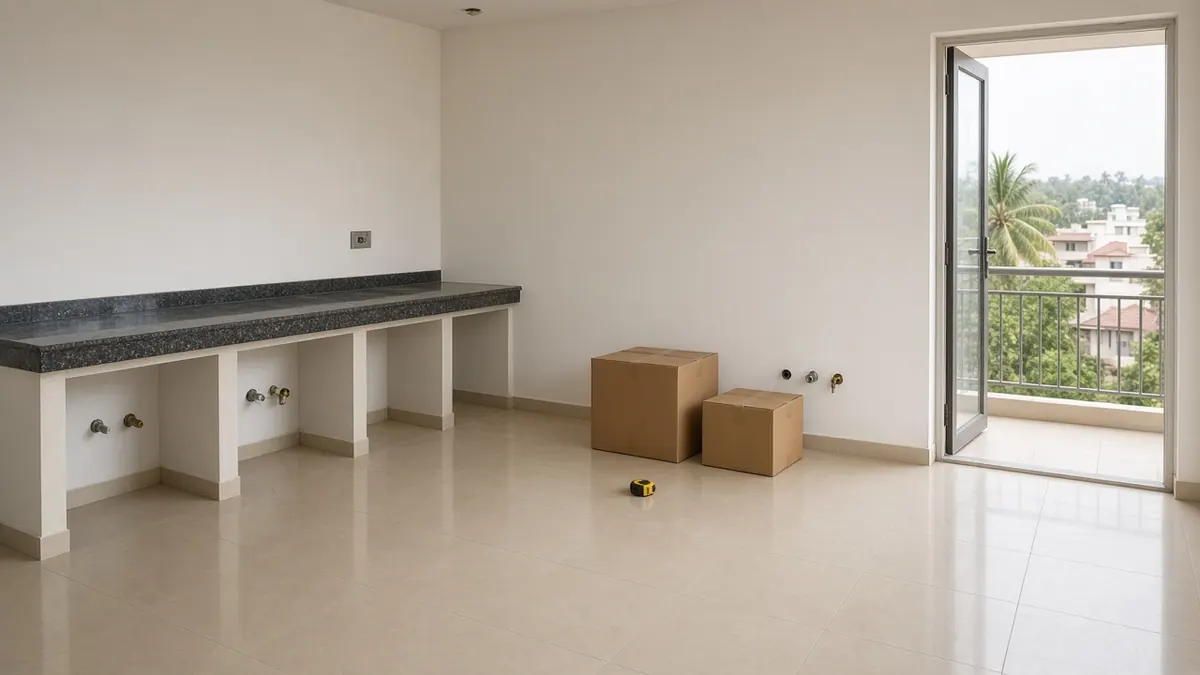
Quick answer: Homeowners usually fund interiors in one of three ways: a top-up on an existing home loan, a home improvement or renovation loan, or a personal loan. Top-ups and home improvement loans are usually linked to your property; personal loans are usually unsecured. Lenders may pay the interior firm directly or release money only after the work is done, so settle your design and scope first, and confirm how and when money is released with your lender.
“Loan for home interior” and “can we get loan for interior” are among the most searched loan questions for new homeowners, especially right after handover. In homeowner forums, the same worries repeat: what documents the lender needs, whether the money comes to you or the interior company, and why the approved amount came in lower than the quote. This guide compares the main options and shows how to plan your interiors so the loan and the work line up.
Infraura is a builder, not a lender, and does not arrange loans or handle loan paperwork. Loan terms differ between lenders and change over time, so confirm the details of your own loan with your lender before you plan around them.
Three common ways to fund interiors
| Top-up on home loan | Home improvement / renovation loan | Personal loan | |
|---|---|---|---|
| Who it suits | Owners with an existing home loan | Owners improving or repairing a property they own | Owners who need speed or have no home loan |
| Secured? | Yes, linked to the property | Usually linked to the property | Usually unsecured |
| What lenders often ask for | Repayment record, income proof, a quotation or end-use details | Property documents, a quotation or estimate for the work | Income and credit checks |
| How money is released | Varies: to you, to the firm, or after work is checked | Varies: often linked to the work | Usually to you in one go |
| Watch out for | Add-on products bundled with the loan; approved amount below your quote | Release only after completion | Shorter tenure, higher monthly outgo |
RBI’s Master Circular on Housing Finance (2 April 2024, accessed 17 October 2026) notes that banks may consider additional finance for alterations, additions or repairs to a house they have already financed, within the overall ceiling. Each lender sets its own rules on top of that.
Scope the interiors before you size the loan
Borrowing before the design is settled is how families end up short halfway through. A sensible order:
- Decide the rooms and priorities. Kitchen and wardrobes first? Full home including ceilings and loose furniture? Phasing is fine if it is planned.
- Get drawings and an itemised quotation. Material, finish and hardware for each item, plus what is excluded. Get a written, itemised interior scope before you borrow, so the loan is sized to real work. Our turnkey interiors page covers full-home interiors in Coimbatore.
- Pick materials with maintenance in mind. For kitchens and wardrobes, UPVC interiors resist water and termites and come with a 5-year warranty from Infraura. Our UPVC kitchen and wardrobe price guide explains what drives cost.
- Plan wiring with the interiors. Smart switches, lighting scenes and CCTV points are easiest to add while the carpentry and ceilings are being done. Talk to our smart home team and, for security, our CCTV team.
- Then speak to lenders. With a clear scope, you can compare options and size the loan to the work.
Match the payment schedule to how the loan is released
A frequent complaint is a lender releasing money only after the interiors are complete, while the interior firm expects advances. Before signing an interior contract:
- Ask your lender exactly when and to whom the money will be released.
- Agree a milestone-based payment schedule with the interior firm (design sign-off, material delivery, installation, handover).
- Keep enough of your own funds for any stage that comes before the loan amount arrives.
- Keep invoices and receipts for every payment.
Our guide to interior designer fees in Coimbatore covers payment milestones and contract terms in more detail.
A note on tax
The Income Tax Department’s guidance on self-occupied house property (accessed 17 October 2026) allows a limited deduction for interest on a loan taken for repair or renovation of a self-occupied house, with a lower ceiling than for purchase or construction, and only under the old tax regime. Tax rules change and depend on your circumstances, so confirm with a chartered accountant before counting on any benefit.
Bottom line
The cheapest interior loan is the one sized to a clear, itemised scope, with a payment schedule that matches how the money is released. Settle the design first, then borrow.
Frequently asked questions
Can I get a loan for home interiors?
Yes, homeowners commonly fund interiors through a top-up on an existing home loan, a home improvement or renovation loan, or a personal loan. Which one is available and suitable depends on your lender, your property and your finances.
What is a top-up loan?
A top-up is an additional loan on top of an existing home loan, usually from the same lender. Homeowners often consider it for interiors or renovation once the house is ready.
Will the lender pay me or the interior firm?
It varies. Some homeowners report that their lender paid the interior firm directly, and others that money was released only after the work was complete and checked. Ask your lender how and when the amount will be released before you sign an interior contract.
Why was my approved amount lower than my interior quote?
Lenders decide the amount based on their own assessment and limits, so it can be lower than the quote. Plan for the gap from your own funds, or phase the work.
Is interest on an interior or renovation loan tax deductible?
The Income Tax Department's guidance allows a limited deduction for interest on loans for repair or renovation of a self-occupied house, under the old tax regime. Whether it applies to you depends on your loan and tax regime, so confirm with a chartered accountant.
Should I finalise the interior design before applying?
It helps. A clear scope with drawings, materials and an itemised quotation lets you size the loan properly and avoid borrowing too little or too much.
Talk to Infraura
Have a question about your project? Speak to our team in Coimbatore. We will explain the options plainly and give you a written scope.
- Call / WhatsApp: +91 96771 71707
- Email: support@infraura.com
- Visit: No:1499, Trichy Road, Coimbatore 641018
- Hours: Monday to Saturday, 10 AM to 7 PM