
Blog
Best Heat-Smart Roofing for Coimbatore Homes: Metal, PUF, Polycarbonate & Ventilators Explained

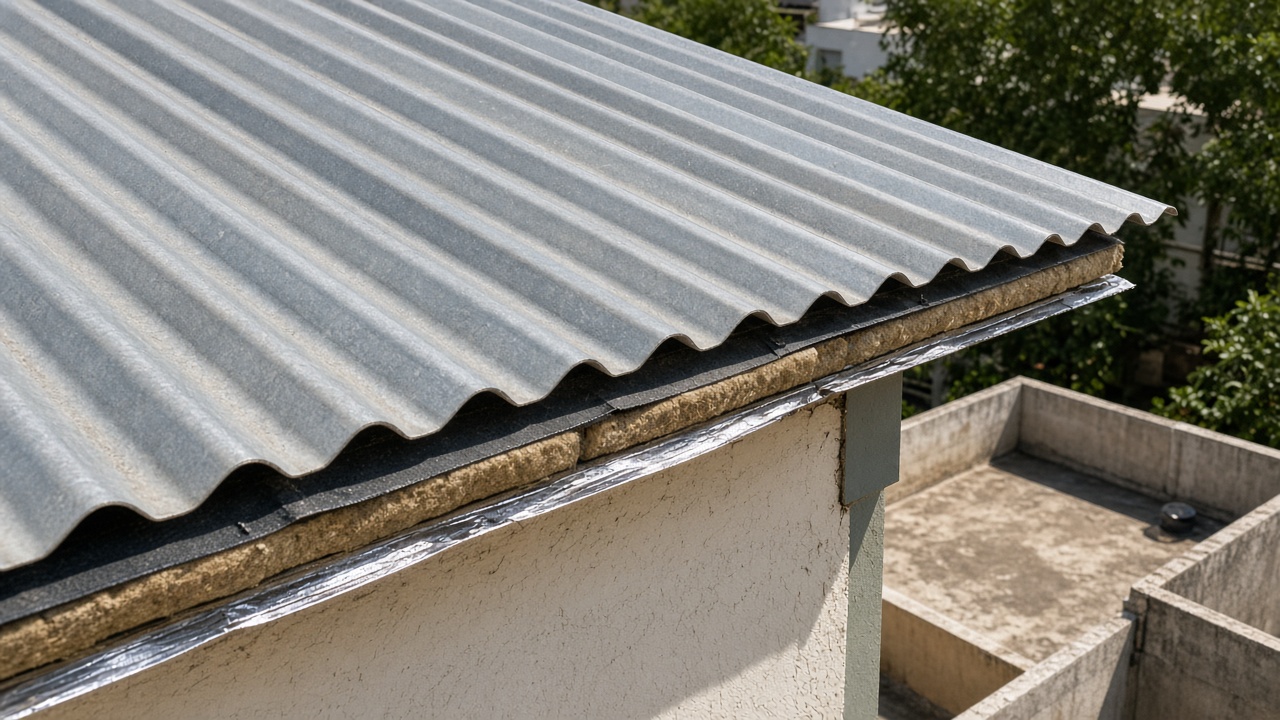
Coimbatore’s sun does not negotiate. West terraces bake through the afternoon, sit-outs become unusable by 2 pm, and top-floor bedrooms inherit heat long after sunset. Homeowners searching for roofing in Coimbatore that is heat resistant usually meet a catalogue of metal sheets, PUF panels, polycarbonate and ventilators—and a salesman who treats every product as “the coolest.”
This guide explains what each system actually does well, where it struggles, and how roofing choices connect to curtains, AC load and smart climate control. No invented U-values, no fake “degrees cooler” claims, no named project trophies—just a clear decision framework for residential terraces, car parks, industrial sheds adjacent to homes, and commercial outdoor spans.
What “heat-smart” roofing means in practice
Heat-smart is a stack, not a single sheet:
- Reflect — lighter colours and reflective finishes reduce absorbed solar load
- Insulate — air gaps, PUF/PIR cores, or multilayer systems slow heat transfer
- Ventilate — ridge/turbine ventilators and openable sides move hot air out
- Shade strategically — polycarbonate and louvres manage light without turning the space into an oven
- Integrate — motorised curtains indoors and sensible AC zoning outdoors-adjacent rooms
An app that schedules your AC cannot fix a bare RCC terrace with no shade. Roofing and automation should be designed as neighbours—especially on Saravanampatti top floors and Race Course villas with large glazed openings.
Option 1 — Metal roofing (GI / colour-coated / aluminium systems)
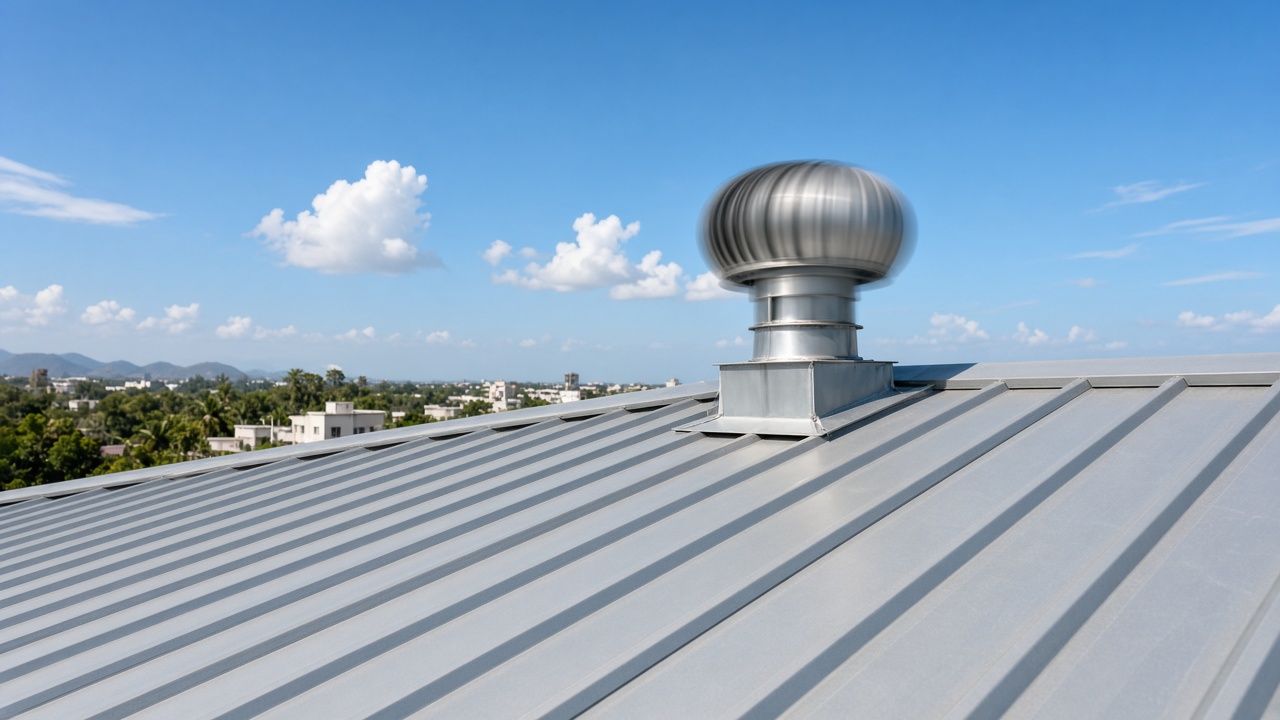
Metal roofing remains a workhorse for residential terrace covers, car porch extensions and many commercial spans. In Coimbatore conversations you will hear GI (galvanised), colour-coated profile sheets, and aluminium systems depending on span, corrosion priority and aesthetic brief.
Where metal shines
- Large clear spans with relatively fast install
- Good structural predictability when framed correctly
- Colour options that support heat-reflective thinking (lighter tones generally preferred for heat; confirm coating warranty with the supplier)
- Compatible with industrial and residential detailing when flashings and slopes are done properly
Where metal needs help on heat
Bare thin metal under direct sun can run hot. Heat-smart metal roofs usually combine:
- Adequate air gap / ventilated cavity where design allows
- Insulation underlay or sandwich approach
- Correct slope and ridge ventilation so heat does not stagnate
- Thoughtful orientation and overhang depth
Aluminium can be attractive for corrosion and weight in some contexts; GI/colour-coated systems are common for cost-performance balance. The “best” metal is the one detailed for your wind, waterproofing and insulation intent—not the glossiest brochure.
Residential tip
For terrace sit-outs, ask how rainwater is taken to gutters without dripping on walk paths, and how fasteners and flashings will be serviced in five years. Heat comfort fails if the first monsoon creates patches and owner distrust.
Option 2 — PUF panel roofing Coimbatore (insulated sandwich panels)
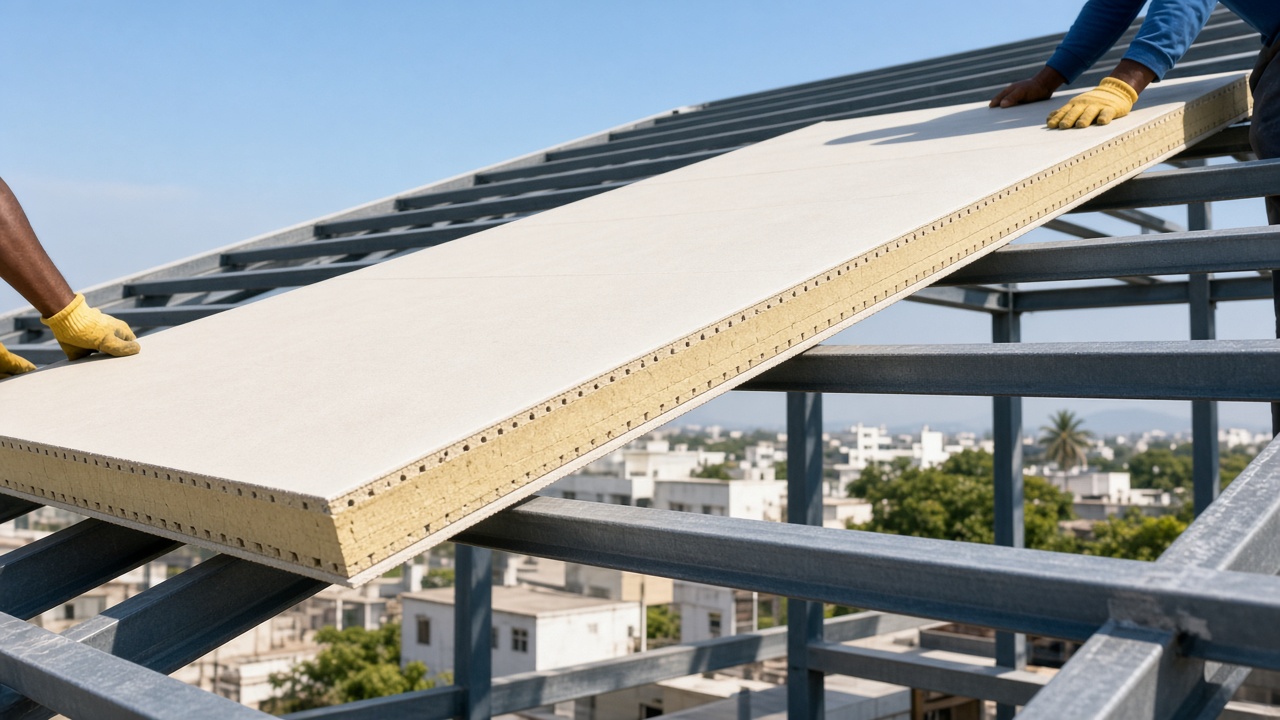
PUF panel roofing in Coimbatore is popular where insulation is the primary brief: industrial sheds, commercial roofs, and increasingly residential terrace covers that must stay usable in April–May.
PUF (polyurethane foam) sandwich panels typically place an insulating core between metal skins. Related insulated panel families (including PIR in some specs) appear in professional schedules—confirm core type, density and fire-performance documentation with your contractor rather than assuming all “foam panels” are equal.
Strengths
- Stronger thermal break than single-skin metal alone (all else equal)
- Cleaner finished look for modern commercial and contemporary homes
- Faster enclosure on many shed-type structures
- Useful when you want the roof itself to carry insulation rather than adding a separate under-deck later
Watch-outs
- Detail edges, joints and penetrations carefully (services, lights, fan hooks)
- Respect manufacturer spanning tables—do not overspan to “save” purlins
- Plan for future service cuts (ducts, conduits) before panels close
- Confirm fire and code requirements for your building type
For homeowners comparing quotes, ask: panel thickness options, skin material, colour, insulation core specification, and how ridge/eave ventilation is handled. A thicker insulated panel poorly ventilated can still feel stuffy if the enclosed volume traps air.
Option 3 — Polycarbonate roofing
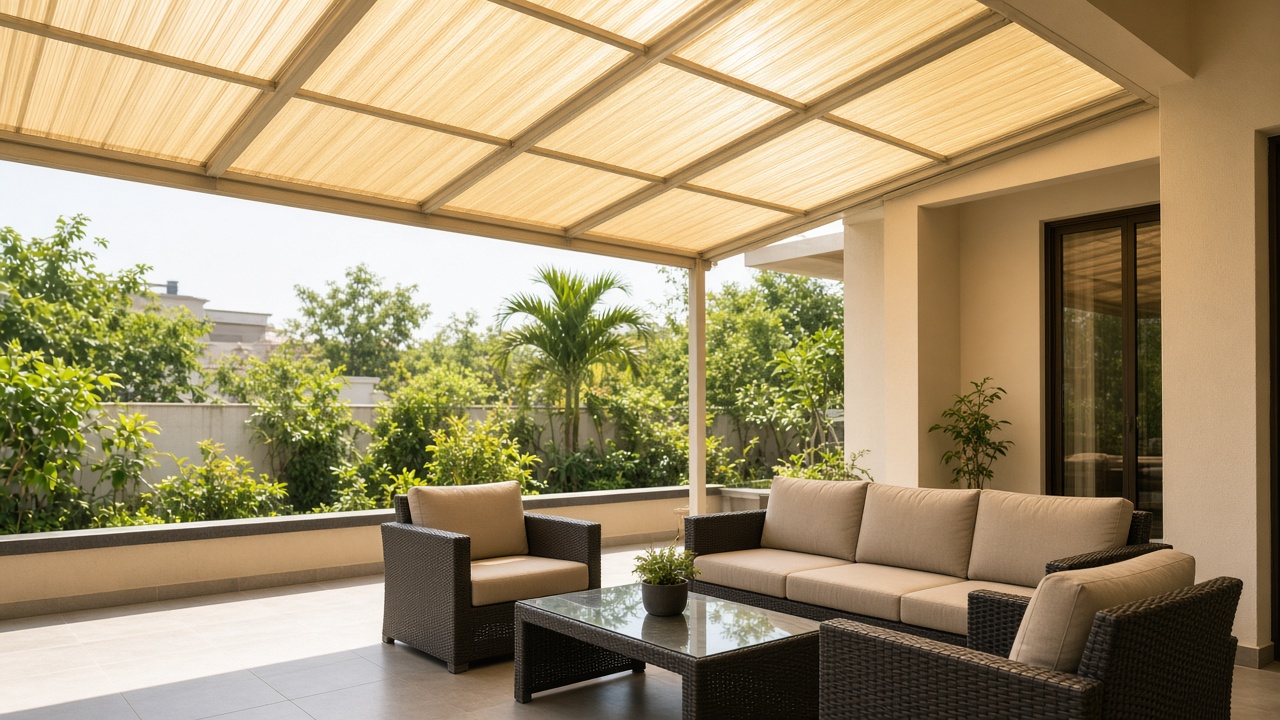
Polycarbonate earns its place where daylight matters: walkways, inner courts, poolside edges, car porches that should not feel cave-dark, and select terrace patches.
Strengths
- Natural light without full openness to rain
- Modern aesthetic for contemporary Coimbatore homes
- Multiwall / twin-wall options that improve insulation versus thin solid sheets (confirm product class)
- Useful in combination roofs—opaque insulated spans + polycarbonate light strips
Heat and glare realities
Clear polycarbonate can create greenhouse comfort issues if used as a full terrace lid with no shading strategy. Tinted, opal, or multiwall selections, plus cross-ventilation, matter as much as brand stickers.
Pair polycarbonate zones with:
- Openable sides or louvres
- Indoor curtain automation on rooms facing the covered court
- Avoidance of low-angle west sun blasting through a fully clear canopy into living glass
Polycarbonate is not “automatically cool.” It is “automatically brighter.” Design for both.
Option 4 — Ventilators (ridge, turbine, powered)
Ventilators are the unsung heroes of heat-smart roofs. Without a path for hot air to leave, even insulated roofs can leave the volume underneath uncomfortable.
Common approaches
- Ridge ventilators along the roof apex
- Turbine ventilators where stack effect and wind assist extraction
- Powered extractors for industrial or stubborn residential volumes (noise and power must be planned)
- Combined with eave inlets so air has a route in as well as out
For homes, quieter detailing and weatherproofing matter. For industrial sheds and workshops, airflow volume and worker comfort lead.
Coimbatore tip: terrace rooms converted into home offices (common with IT professionals) need both shade and air movement. A sealed pretty roof without ventilation becomes a heat box by late afternoon.
Matching roof type to home scenarios
Saravanampatti apartment terrace rights / limited terrace cabanas
Association rules may limit height, colour and drainage. Prioritise lightweight systems, clean waterproofing interfaces with the mother slab, and neighbour glare/privacy. Smart lighting on the sit-out helps evening use after the heat drops.
Independent house terrace (IT corridor / Peelamedu / Trichy Road)
Often the best ROI: insulated or well-ventilated metal/PUF cover on the most-used zone, polycarbonate accents where daylight is wanted, curtain automation on bedrooms below west edges.
Race Course / RS Puram villas
Aesthetics and discreet lines matter. Roofing should not look like a temporary shed bolted onto a refined elevation. Colour, slim sections, gutter elegance and alignment with façade language belong in the first sketch—not as a post-landscaping patch. Pair with the villa heat-control mindset in our Race Course smart home checklist.
Commercial / light industrial on the same plot
PUF and metal systems dominate for span and insulation. Integrate rainwater, translucent sheets for daylight strips, and ventilator density with the process heat inside—not only outdoor weather.
Roofing + smart home: the coordination checklist
Before fabrication:
- [ ] Mark future camera / AP / light points so penetrations are planned
- [ ] Reserve conduit paths from terrace to indoor network cabinet
- [ ] Decide motorised awning or curtain strategy for glass under the roof edge
- [ ] Confirm UPS loads if terrace has powered ventilators or outdoor security
- [ ] Align waterproofing warranty responsibilities between slab treatment and roof vendor
This is where a turnkey conversation helps. Infraura’s roofing services sit alongside construction, uPVC interiors, automation and CCTV/networking—so terrace comfort is not orphaned from indoor climate logic. Explore roofing services and construction services when the envelope and the rooms below must work as one.
Material comparison snapshot (decision aid)
| Priority | Lean toward |
|---|---|
| Maximum usable summer sit-out | Insulated panels (e.g. PUF) + ventilation + light colours |
| Daylight walkway / porch | Polycarbonate (multiwall/tint as suited) + side ventilation |
| Large span, robust enclosure | Engineered metal systems with insulation strategy |
| Industrial heat + worker comfort | Insulated roof + calculated ventilators |
| Premium villa elevation | Custom detailing, discreet gutters, mixed opaque/daylight zones |
No single row is universal. Hybrid roofs are normal and often smarter.
Maintenance and longevity (plain talk)
- Keep gutters clear before northeast and southwest monsoon peaks
- Inspect flashings after heavy wind events
- Do not hang storage from panels beyond design loads
- Recoating / fastener checks follow manufacturer guidance
- Trim trees that abrade sheets or dump debris into valleys
Heat performance also degrades if dust layers and blocked ventilators accumulate—schedule visual checks when you service CCTV on the terrace.
Soft CTA
If your terrace is unusable after lunch, or top-floor ACs run endlessly, start with a site look at span, existing waterproofing, neighbour constraints and how you actually use the outdoor space.
Talk to Infraura: +91 96771 71707 · infraura.com
GMB: Infraura – Smart Homes and Interiors, 1499 Trichy Rd, Opposite Francis Convent, Highways Colony, Coimbatore 641018.
Bring photos of the terrace and a note on west-facing rooms. We can discuss metal, PUF, polycarbonate and ventilator combinations without forcing a one-product pitch.
FAQ
What is the best heat-resistant roofing for Coimbatore homes?
There is no single winner. Insulated panel systems (including PUF) often lead when cooling the covered volume is the goal; ventilated metal systems work well when detailed correctly; polycarbonate suits daylight zones if glare and greenhouse heat are managed. Hybrid designs are common.
Is PUF panel roofing worth it for a residential terrace?
Often yes when you want longer evening usability and lower radiant heat versus single-skin covers—subject to budget, thickness selection and ventilation. Confirm detailing at walls and slabs so waterproofing remains coherent.
Will roofing alone cut my AC bills dramatically?
Treat dramatic percentage claims with caution. Roofing reduces load on adjacent spaces; indoor curtains, AC servicing, and behavioural schedules also matter. Measure comfort first; bill impact varies by orientation and usage.
Can I add smart terrace lighting and cameras after the roof is up?
Yes, but plan conduits and mounting plates first. Retrofit surface conduit on a finished roof looks poorer and can create leak paths if penetrations are careless.
Do you only do industrial roofing?
Infraura covers residential terrace roofing, commercial and industrial shed systems, polycarbonate, metal systems and related accessories such as ventilators and gutters—scoped to the site.
2 thoughts on “Best Heat-Smart Roofing for Coimbatore Homes: Metal, PUF, Polycarbonate & Ventilators Explained”